My August electric bill landed on Tuesday. I read it twice, then put it under the coffee cup.
North of three hundred dollars, for one month of sitting still. You have a version of that envelope. Yours is probably worse if you did what a lot of us did and went south.
More than two million Americans over 65 moved last year. The map they picked reads like a heat advisory.
Las Vegas took 7,854 of them, more than any other city. Tucson took 7,627. Arizona logged nearly 18,000 arrivals over 65.
We priced those moves on income taxes and January. Nobody wrote a line for July.
It is arithmetic with a birthday attached. The birthday just moved to Arizona.
The size of the line is worth sitting with for a second.
$792
Projected average U.S. household electricity spending, June through September 2026
About $570
The same four months in 2020, backed out of the near-40 percent rise since
Two hundred dollars a summer, added on in six years. Electricity sits with the bills that do not ask permission. It lands hardest in the exact months the cohort just moved toward.
The bill is the smaller half of this.
In March, Harvard researchers published a study in The Lancet Planetary Health on heat and Medicare records. They followed 73.7 million beneficiaries across nearly 28,000 ZIP codes, from 2000 through 2018.
Each additional heat wave added about nine deaths per ten thousand people over 65. That is counted over the whole year afterward, not the week of the heat. Across two decades the toll came to roughly 17,600.
Older bodies sweat less. Blood moves less freely. Heat stays in. That is the entire mechanism, and every one of us is walking into it.
One finding in that paper sits apart from the others.
In neighborhoods with heavy tree cover and green space, the heat effect reversed. It went protective. The same heat wave, the same age, a different street.
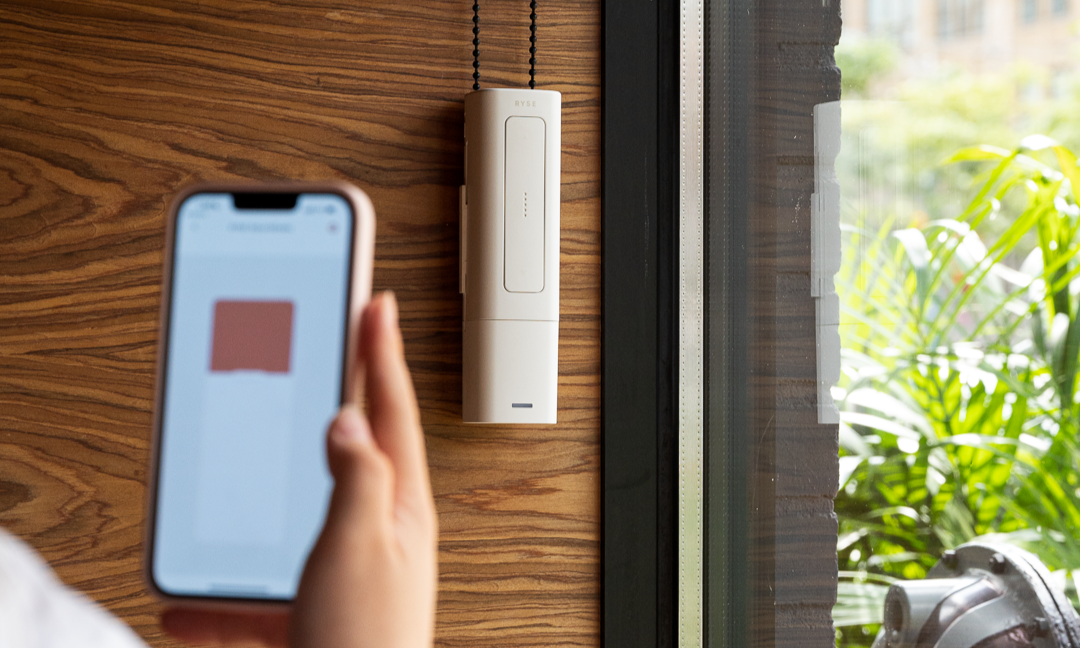
What did the work was shade. Shade works at the scale of a street. It also works at the scale of one window, which is where a homeowner actually has a say.
Cooling has crossed out of comfort and into the aisle where the cohort’s money already sits.
The limit on all of this is money, and it shows up quickly.
The average Social Security retirement check runs a little under two thousand dollars a month. A four-thousand-dollar compressor is not a decision at that number. It is a deferral.
One household in six is already behind on an energy bill. Utility debt is tracking toward roughly $23 billion by the end of the year.
LIHEAP is the federal program that helps low-income households pay heating and cooling bills. Its funding has been flat for three years while rates climbed. An oversubscribed program becomes a waiting list.
Deferred work is unpaid work. That ceiling caps what anyone selling the fix can actually collect.
The arithmetic
Summer electricity spending of about $792, the 10.5 percent increase, the near-40 percent rise since 2020, the $23 billion utility-debt projection and the one-in-six figure: National Energy Assistance Directors Association and the Center for Energy Poverty and Climate, June 2026. Heat-wave mortality among Medicare beneficiaries, the 73.7 million records across nearly 28,000 ZIP codes from 2000 through 2018, the roughly 17,600 excess deaths and the green-space finding: The Lancet Planetary Health, March 2026, reported by the Harvard T.H. Chan School of Public Health. Moves by people 65 and older in 2025, including 7,854 into Las Vegas, 7,627 into Tucson and nearly 18,000 into Arizona: HireAHelper analysis of relocation data, June 2026. Average Social Security retirement benefit: Social Security Administration, 2026. LIHEAP funding history: National Energy Assistance Directors Association. The 2020 summer figure of about $570 is Boomers Trade’s own arithmetic, backed out of the reported rise since 2020, and the compressor price is a round retail figure rather than a quote.
Walk your own house this weekend at four in the afternoon. Find the window the sun owns. Put your hand flat on the glass. That is your August bill, and it is also your risk. Whoever sells the fix for that window already has your county on a list. Watch the September bills, then watch whether the assistance money moves at all.
Andrew
Boomers Trade is written by someone getting older right alongside you, and watching who profits from it.
|